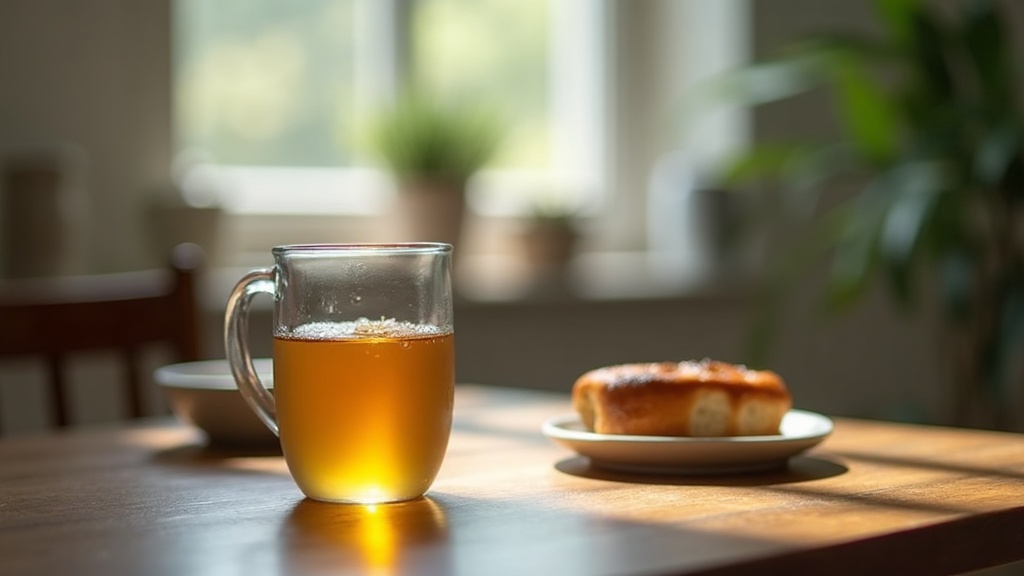
A Closer Look at Breakfast Routines

Why Breakfast Habits and Biblical drink (oil)/ Honey blend Have Quietly Reentered the Morning Routine of People Who Watch Their Blood Sugar

Long before glucose monitors and nutrition apps existed, households leaned on simple kitchen pairings like Biblical drink (oil)/ Honey blend as part of how a meal was put together. This page looks at that tradition, and at the everyday habits surrounding breakfast, strictly as food culture and daily routine — not as medical guidance.

Everyday Nutrition  ·  Daily Habits  ·  Educational Content  ·  Everyday Nutrition  ·  Daily Habits  ·  Educational Content

The Breakfast Hour, Recreated Every Single Day

Ask anyone who keeps an eye on their blood sugar what the hardest part of the day is, and mornings come up more often than dinner ever does. The first meal tends to set a tone the rest of the day quietly follows, which is exactly why it carries so much unspoken pressure — long before a single bite is taken.

The Question Before the Fork Even Moves

For many people, breakfast starts with hesitation rather than hunger — a mental scan of what feels 'safe' to eat, repeated every morning without a clear answer ever settling in.

The Weight of Deciding, Meal After Meal

It isn't one big decision, it's dozens of small ones, stacked across breakfast, lunch and dinner — a quiet mental workload that has little to do with taste and everything to do with vigilance.

The Afternoon Rollercoaster

The stretch of time right after lunch is when energy often seems to swing the hardest, leaving some people wondering what part of the meal was actually responsible.

Waking Up Already Tired

Mornings sometimes begin with a kind of fatigue that sleep alone doesn't explain, which only adds to the pressure of figuring out what the first meal of the day should look like.

Carbohydrates, Fruit, and 'Diabetic Food': Sorting Myth From Fact

Kitchen advice travels fast and rarely comes with sources. Three ideas in particular keep resurfacing around breakfast tables, and each one deserves a more careful look than a slogan can offer.

MYTH

All carbohydrates behave the same way in a meal, so the only rule that matters is eating less of them.

FACT

Carbohydrate sources differ widely in fiber, structure and how they’re combined with the rest of a plate — which is why a blanket rule tends to say less than a conversation with a dietitian or physician who already knows someone’s routine.

MYTH

Fruit is essentially sugar, so it should be avoided altogether at breakfast.

FACT

Whole fruit comes with fiber and water that isolated sugar doesn’t carry, and how it fits into someone’s overall eating pattern is a personal and clinical question — one best worked out with the professional who already follows their care.

MYTH

There’s a special category of ‘diabetic food’ on supermarket shelves that is automatically the safe choice.

FACT

A label doesn’t replace an individualized plan. The most reliable guide remains the one built together with a treating doctor or nutrition professional, not the packaging on a shelf.

Three Habits Some Households Build Around a Meal

None of what follows is a instruction to follow blindly — it’s simply a description of habits that show up repeatedly in how some families structure a meal. Any change to an eating pattern is worth discussing first with the doctor or dietitian who already knows the full picture.

01

The Order Food Lands on the Plate

In some traditions, vegetables and protein are eaten before the starchier parts of a meal arrive — a sequencing habit passed down more through routine than through explanation.

02

The Rhythm of the Meal Itself

Slowing down, chewing deliberately, and giving a meal its full length rather than rushing through it is a habit that shows up across many food cultures, breakfast included.

03

A Short Walk Once the Fork Is Down

Stepping outside for a few minutes after eating, rather than sitting immediately back down, is a habit long embedded in everyday life in many households — simple, unhurried, and easy to overlook.

Where Biblical drink (oil)/ Honey blend Comes From: A Note on Food History

The pairing of oil and honey shows up repeatedly in old texts and older kitchens, long before it had a marketing name. In parts of the Mediterranean and the Levant, olive oil and honey were staples kept side by side in the pantry — oil for cooking and dressing bread, honey for sweetening and preserving. Drizzled together over warm flatbread, stirred into a cup of warm water in the morning, or spooned over cooked grains, the combination was less a remedy than a habit of the table, tied to what was available in the region and what a household could produce or trade for. It traveled through generations the way most kitchen customs do: passed from one cook to the next, adapted to what was on hand, rarely written down until much later.

Understood this way, Biblical drink (oil)/ Honey blend belongs to the history of the table, not to a modern claim about what it can do inside the body — and it’s worth treating it accordingly.

Six Everyday Moments Worth Mentioning to a Doctor

Fatigue After Meals That Feels Different Than Usual

Tiredness after eating is common, but when it feels noticeably different from what's typical, it's a detail worth bringing up with the doctor who already follows your care.

A Noticeable Shift in Appetite

Eating a lot more or a lot less than usual, without an obvious reason, is the kind of change best discussed directly with a healthcare professional rather than guessed at alone.

Reading Every Label Out of Growing Worry

If checking every package has turned into a source of daily anxiety rather than simple awareness, that's worth mentioning at the next appointment.

Skipping Meals Because of Uncertainty

Avoiding meals altogether out of not knowing what to eat is a pattern worth flagging to a doctor or dietitian, who can help build a plan suited to the individual.

Energy That Seems to Shift Week to Week

Noticeable week-to-week changes in energy, without a clear cause, are best brought to the attention of the professional who already tracks your health history.

Uncertainty About a New Habit and an Existing Routine

Before adding any new food habit to an existing treatment plan, it's worth checking in with the prescribing doctor — no dietary change should be made in place of medical guidance.

Notes From People Who Reorganized Their Mornings

Breakfast used to feel like a guessing game every single day. What changed for me wasn't a single food — it was slowing down and actually planning the morning the night before.

Renata Alves
Illustrative account
I didn't overhaul my diet. I just started paying attention to the order I ate things in and stopped eating standing up at the counter. Small, but it made mornings feel less chaotic.
Thomas Whitfield
Illustrative account
What helped most was taking the pressure off having to be perfect at every meal. I still check in regularly with my doctor — that part never changed, and it shouldn't.
Hana Doyle
Illustrative account

These accounts reflect individual experiences with daily routines and meal organization. They are not a guarantee of similar results, are not a substitute for medical advice, and do not describe changes to any diagnosis, exam result or treatment plan.

Curious About the Full Picture?

This page has stayed on the surface on purpose — habits, history and everyday routine, not medical claims. The video goes further into how some people think about breakfast, without asking anyone to change their treatment or stop following their doctor’s guidance. Any adjustment to diet, routine or prescribed care should always be discussed with the healthcare professional already managing that care.

Advertising Disclosure: This page contains sponsored content and affiliate links. We may receive compensation if you click a link or make a purchase through the links provided. This helps support the operation of this site at no additional cost to you.

Content Disclaimer: This content is provided for educational and informational purposes only. It has not been evaluated by the FDA. It is not intended to diagnose, treat, cure or prevent any disease, and it is not a substitute for professional medical advice, diagnosis or treatment. Always consult a qualified healthcare professional before making any changes to your diet, routine, or any prescribed treatment, including medication.

Results Disclaimer: Individual results and experiences vary. Testimonials and personal accounts shared on this page reflect individual opinions and are not a guarantee of similar outcomes for any other person.

© 2026 · All Rights Reserved